
When Coping Looks Like Cleaning the Fridge
I had a moment. One of those “well, that explains a lot” moments.
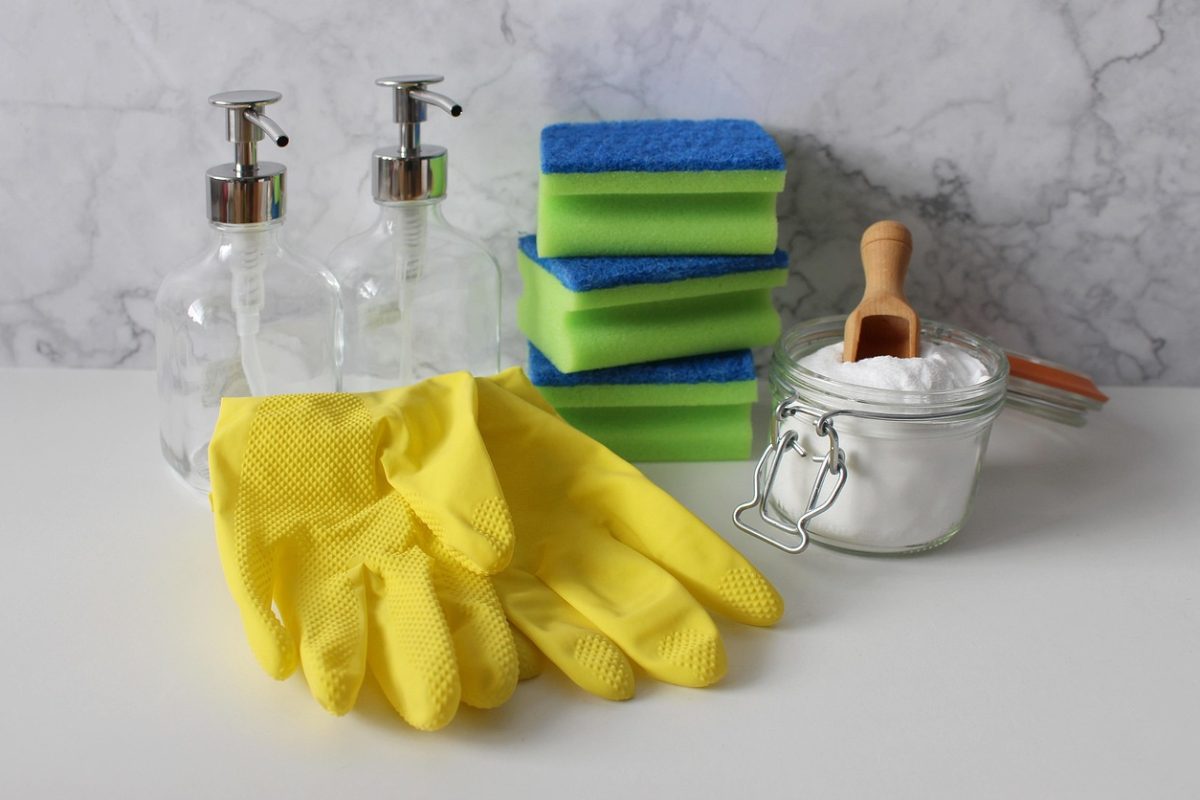
My oldest kid called me out—lovingly, of course. We were going through a stressful family situation, and while some folks were sitting with their feelings or offering comfort, I was… cleaning out the fridge. Sorting mail. Running laundry.
“Mom,” they said, “you’re so task-oriented when you’re stressed.”
Guilty as charged.
I’ve always known I like to organize things. I can break down tasks into sub-tasks like it’s a superpower. But hearing it put that way helped me see the bigger pattern: when life gets chaotic, I cope by doing. Give me a job—any job—and I’ll throw myself into it like my life depends on it.
And honestly? Sometimes it does.
Because let’s be real—life is unpredictable. It’s messy and uncomfortable and full of waiting rooms (literal and emotional). That sense of helplessness when everything feels out of your control? That’s where a lot of us get stuck.
That’s where coping comes in.
Coping Isn’t Just Survival—It’s a Skill You Build
Having healthy ways to deal with stress isn’t about pretending everything’s fine. It’s about keeping yourself afloat when the waves hit. And just like you wouldn’t try to learn to swim after you fall in, it helps to build your coping muscles before you really need them.
Here are some of my favorite go-to tools—try a few, and make your own list to keep handy for next time life goes sideways:
Move your body. Stretch, walk, dance, do yoga, or clean like a tornado. Physical movement helps your body release stress and feel more grounded.
Write things down. Whether it’s a journal, a venting page, or a gratitude list, writing helps make sense of the mess in your head.
Get creative. Paint, doodle, play music, knit, rearrange the furniture. Creative acts shift your focus and let your nervous system breathe.
Talk to someone. A good friend, a coach, a therapist, your dog—someone who helps you feel seen and less alone.
Breathe. Seriously. Slow, deep breathing can calm your nervous system and give your brain a chance to re-center.
Be tasky. Yep, even cleaning the fridge can be coping. Purposeful action, no matter how small, can give you a sense of control.
Practice mindfulness. Even just sitting quietly with your coffee and noticing how it smells and tastes can bring you back to the moment.
The trick is knowing yourself well enough to figure out which tools actually help you feel better—and using them regularly, not just in crisis. According to mental health experts, building a “battery” of coping skills over time gives you more flexibility when stress shows up. You’re less likely to feel overwhelmed, and more likely to bounce back quicker.
A Gentle Nudge to Prepare
Before things get messy again (because they will—this is life, after all), I want to encourage you to make your own coping cheat sheet. Keep it on your fridge, in your phone, or tucked in your journal.
List the things that help when you’re stressed. Include the simple stuff, the silly stuff, and the stuff that actually works (even if it’s not what Instagram says you should be doing). That way, when life goes sideways, you don’t have to think—you can just pick something from the list and start there.
When Coping Skills Aren’t Cutting It
Here’s something important I want to say clearly: sometimes, the usual things that help… just don’t. And that’s not a failure. It’s a signal that you might need more support.
I live with chronic depression, and there are times when even my beloved to-do lists and playlists don’t touch the fog. If you’ve been there, you know—sometimes it’s too heavy to carry alone.
If your sadness sticks around, if you feel disconnected, numb, hopeless, or like you’re slipping under water, please reach out. Tell someone you trust. If you can’t take that step yourself, ask someone to help you get help. Therapy, support groups, and medication are all valid tools. There’s no shame in needing more than journaling and yoga.
You deserve care—just as you are, in whatever state you’re in.
Final Thoughts
Change is hard. Coping with change is a skill. And if all you managed today was tossing expired salad dressing and sending a text to a friend—you’re doing just fine.
P.S. If you need some suggestions for coping skills, check out my freebie, 25 Coping Skill Ideas.