
The Exception Clause
A birthday party, a text message, and an apology nobody asked me to give. Why a completely legitimate no still needed defending, and what that reveals about the reasons we think we owe.
The Exception Clause Read More »

The doing-too-much pattern, emotional labor, self-care
A birthday party, a text message, and an apology nobody asked me to give. Why a completely legitimate no still needed defending, and what that reveals about the reasons we think we owe.
The Exception Clause Read More »

Before you say the hard thing, you scan the room first. That scan is a choice, made so fast it stopped feeling like one. Here’s what it’s actually costing you.
You Made the Choice. You Just Didn’t Call It One. Read More »

The Invisible List series ends here – with the anger that’s been building, what it actually means, and the one thing that comes after it that isn’t rage or collapse.
The Invisible List, Part 3: What You Do When You Can’t Unknow It Read More »

The invisible list doesn’t stay at home. Part 2 of this series is about the slower, quieter erosions — the ones that happen at work, in public, in the spaces where women learn to smile and move on.
The Invisible List, Part 2: What You’ve Been Swallowing for Years Read More »
Most women carry a list no one else sees — planning, anticipating, managing everything just enough to keep it from falling apart. This is Part 1 of a three-part series on the labor that disappears into the background of your life.
The Invisible List, Part 1: The Work Nobody Sees Read More »

There’s a question that doesn’t get asked enough in conversations about change.
We talk a lot about why it’s hard to grow. We talk about fear, and comfort zones, and the weight of old habits. What we talk about less is this: who benefits when you don’t?
The People Who Need You to Stay Stuck Read More »

A friend told me recently that she and her friends need programs like the Midlife Unfiltered Experience Bundle I’m part of. Resources. Support. Community. Things that might actually help them navigate this season.
But they can’t do it. Because they don’t have five minutes to themselves.
And I sat with that for a while. Because I know it’s true. I know there are women who genuinely don’t have five minutes. Who are caring for aging parents and young kids and working full time and holding everything together. Who collapse into bed at night and wake up the next morning wondering if they can do it all over again.
But I also know something else. Sometimes “I don’t have time” isn’t actually about time. It’s about permission.
Do You Have 5 Minutes for Yourself? Read More »
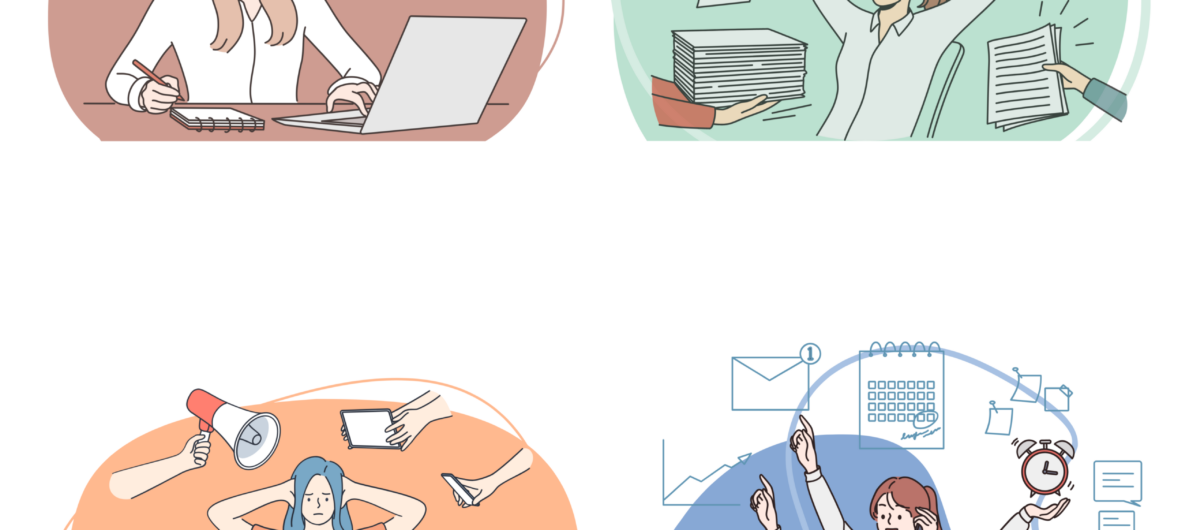
Most of us think about our undone tasks as things we’re failing to get to. Projects on the back burner. Things we should be working on but aren’t. Evidence that we’re not managing our time well enough or prioritizing correctly.
We carry this low-level guilt about everything we’re not doing. The course we haven’t built yet. The closet we haven’t organized. The trip we haven’t planned. The creative project we haven’t started.
And we tell ourselves that if we were just more disciplined, more focused, more efficient, we’d find a way to get to all of it.
But that’s not how capacity works.
What If You’re Not Behind? What If You’re Just at Capacity? Read More »

Some of the most exhausting work we do doesn’t start with a request. It starts with noticing.
A pause in someone’s voice. A task that might get forgotten. A situation that could get uncomfortable if no one intervenes.
So you step in. Not because you were asked, but because you sensed it might help.
This is often called emotional labor. And it’s not the same thing as responsibility.
Emotional Labor Is Not the Same as Responsibility Read More »

Over-functioning rarely announces itself.
It looks like being on top of things. Being reliable. Being the one who notices what needs to be done and quietly takes care of it. It looks like love, responsibility, and competence.
That’s why it’s so easy to miss.
Many people don’t realize they’re over-functioning because it feels normal. Automatic. Even necessary. Stepping in feels safer than waiting. Doing more feels easier than sitting with discomfort.
At first, it might even feel good. Useful. Appreciated.
Until it doesn’t.
Being Helpful Might Be Why You’re Exhausted Read More »