
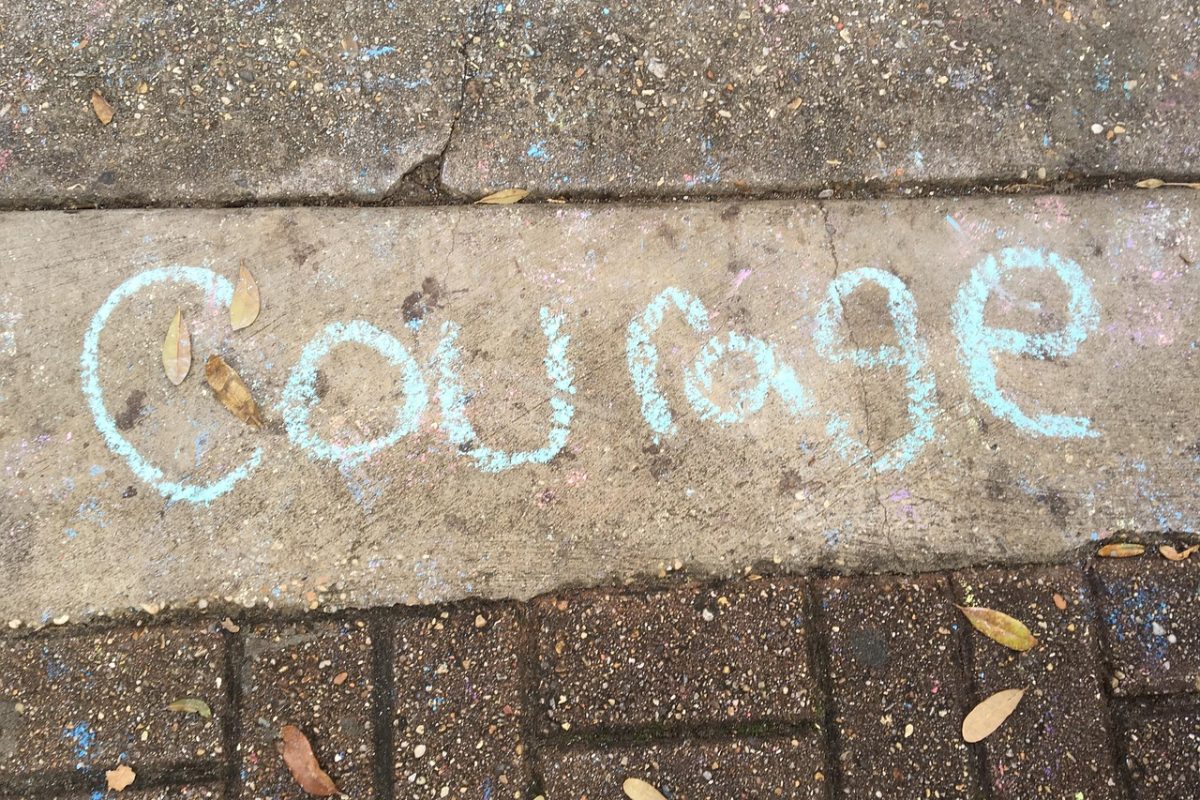
When most people hear the word courage, they picture something big.
A leap. A risk. A dramatic before-and-after moment.
But that version of courage is rare. And for many people in midlife, it feels inaccessible or exhausting. The courage that actually changes lives looks much smaller. It shows up quietly, often without witnesses, sometimes without certainty.
This is micro-courage.
Micro-courage is the practice of making small, honest choices that move you closer to yourself instead of further away. It does not require confidence, clarity, or knowing how everything will turn out.
It requires willingness.
Why Big Courage Is Overrated
Big courage gets celebrated because it is visible. It makes a good story.
But big courage is usually the result of hundreds of smaller brave moments that came first. People rarely wake up one day and make a life-changing decision out of nowhere. They arrive there because they practiced listening to themselves in small ways long before anyone noticed.
If you are waiting to feel brave enough to make a major change, you may be waiting on the wrong thing.
Courage grows through repetition, not intensity.
What Micro-Courage Actually Looks Like
Micro-courage often feels uncomfortable but grounding at the same time.
It can look like:
• saying no without offering a justification
• naming what you want even if you are not sure how to get it
• stopping a conversation that drains you
• resting when your body asks instead of pushing through
• choosing the option that feels true instead of impressive
• letting yourself change your mind
• taking one small step toward something you are curious about
These choices rarely earn praise. They do earn self-trust.
Why Micro-Courage Works in Midlife
By midlife, many people are tired of burning themselves out to prove something.
Micro-courage respects your nervous system. It allows you to move forward without overwhelming yourself. It builds confidence slowly and sustainably.
Each small brave choice sends a signal to your body: “I have my own back.”
That signal matters more than motivation.
How to Practice Micro-Courage This Week
If you want something practical to try, start here.
- Notice where you hesitate.
Hesitation often points to a place where courage is needed. - Shrink the decision.
Ask, “What is the smallest honest step I could take?” - Choose truth over comfort.
Not cruelty. Not drama. Just truth. - Let discomfort be information, not a stop sign.
Feeling uneasy does not mean you are wrong. - Acknowledge the choice.
Name it as brave, even if no one else sees it.
Micro-courage does not demand that you blow up your life. It invites you to stop abandoning yourself.
A Final Reframe
You are probably already braver than you think.
If you have stayed curious when it would have been easier to shut down, that is courage.
If you have questioned patterns that no longer fit, that is courage.
If you have listened inward even once, that is courage.
Big change is built quietly, one honest choice at a time.