Something happens in midlife that nobody warns you about.
You grow into someone new – quietly, gradually, without making a big announcement about it. Your values shift. The things that used to feel satisfying don’t quite anymore. The life you built starts to feel like a house that fit perfectly ten years ago and now the ceilings are just a little too low.
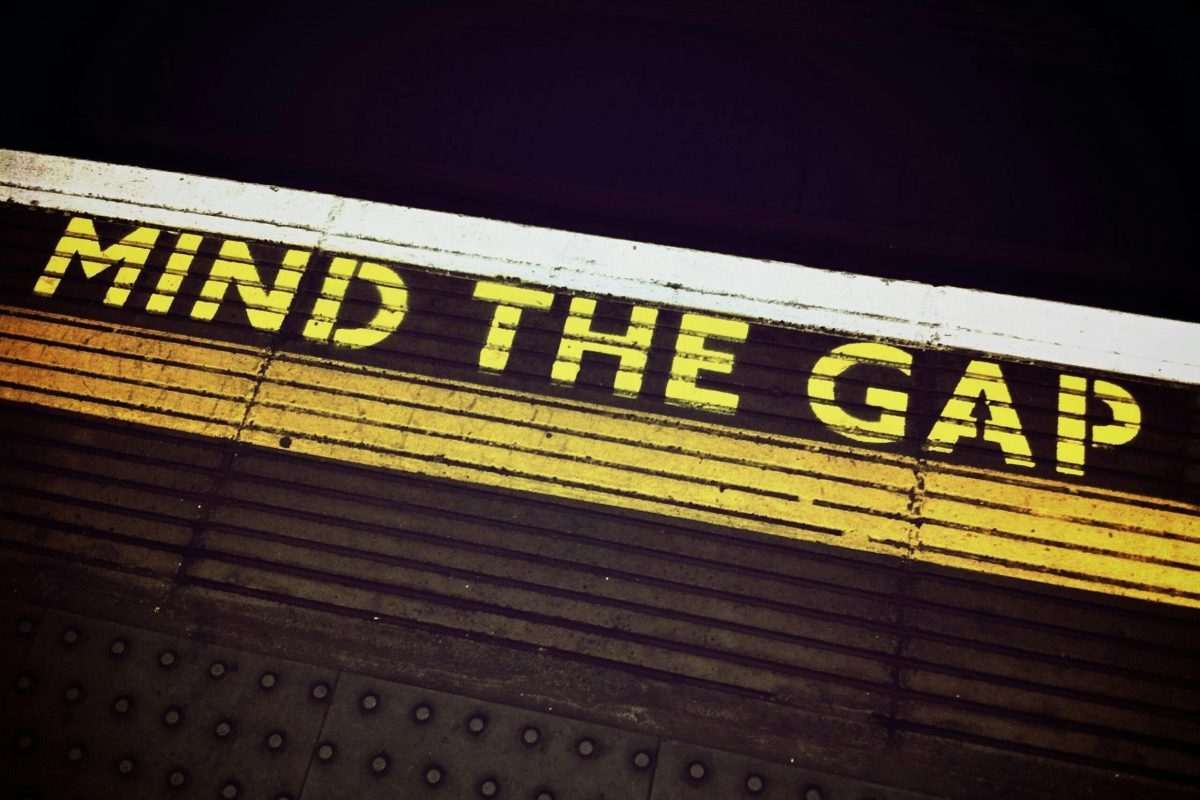
That distance – between who you’ve grown into and how you’re still living – is the gap.
And the gap has a feeling. It hums low and constant underneath everything. It follows you into moments that should feel good. It sits with you in quiet rooms when you have every reason to feel content – and you don’t, quite.
Most women call it stress.
It makes sense. They’re busy, they have responsibilities, they’re holding a lot together. Stress is a reasonable explanation. So they manage it the way you manage stress: rest when they can, clear their plates, wait for things to calm down.
But things calm down, and the feeling doesn’t leave.
That should tell you something.
What you call something determines what you do about it
When you name a feeling wrong, you treat it wrong. If you call loneliness tiredness, you take a nap instead of calling a friend. If you call grief irritability, you apologize to people instead of letting yourself cry.
If you call the gap stress, you manage your calendar instead of examining your life.
The label isn’t just a word. It’s a direction. It tells you where to look and what to do next. And if the direction is wrong, you keep treating a symptom while the actual thing goes unaddressed.
Here’s how you tell the difference
Stress has a source. It responds to your circumstances. When the hard season ends, it eases — not completely, not forever, but you can feel the difference. There’s a before and an after.
The gap doesn’t work that way.
It doesn’t lift when things get easier. It doesn’t care how productive you were or how much you got done. It shows up on perfectly good days when nothing is wrong. It turns up in work that used to satisfy you, in relationships that should feel easy, in the middle of a moment you were supposed to enjoy.
That’s because it isn’t responding to your schedule. It’s responding to the distance between who you’ve grown into and how you’re still living.
It’s your life asking for your attention.
Why stress is the easier label
Stress is manageable. Stress is temporary. Stress doesn’t require you to look at anything too closely or change anything too significant. You can be stressed and still be doing everything right. Still be the capable one. Still be the person everyone counts on.
The gap is more inconvenient. It implies something needs to shift. That fine isn’t actually fine. That the life you’ve built – the one that looks responsible and reasonable from the outside – might not be the one that fits anymore.
That’s a harder thing to sit with. So most people don’t. They reach for the more manageable label and keep going.
I don’t say that critically. It’s a reasonable thing to do when you’re not ready to look at what’s underneath.
But at some point, the gap gets louder. Or more persistent. Or it starts showing up in places it didn’t used to – and that’s usually when women start wondering if stress is really the right word.
What the gap actually is
It’s information. Specific, personal, inconvenient information about the distance between where you are and where some part of you knows you could be.
It doesn’t mean your life is wrong. It doesn’t mean you have to blow anything up. It doesn’t even mean you have to do anything yet.
It just means it’s worth calling it what it is.
You can’t close a gap you won’t acknowledge. And you can’t acknowledge a gap you’ve been calling something else.
The first step isn’t a plan. It’s honesty. Just the willingness to sit with it long enough to ask: what if this isn’t stress? What is it actually trying to tell me?
That question, quietly asked, is where things start to shift.
1 thought on “The Feeling You’ve Been Calling Stress”
I love you with or without the mask but I like you better without it because that is who you are and you are happier!❤️