
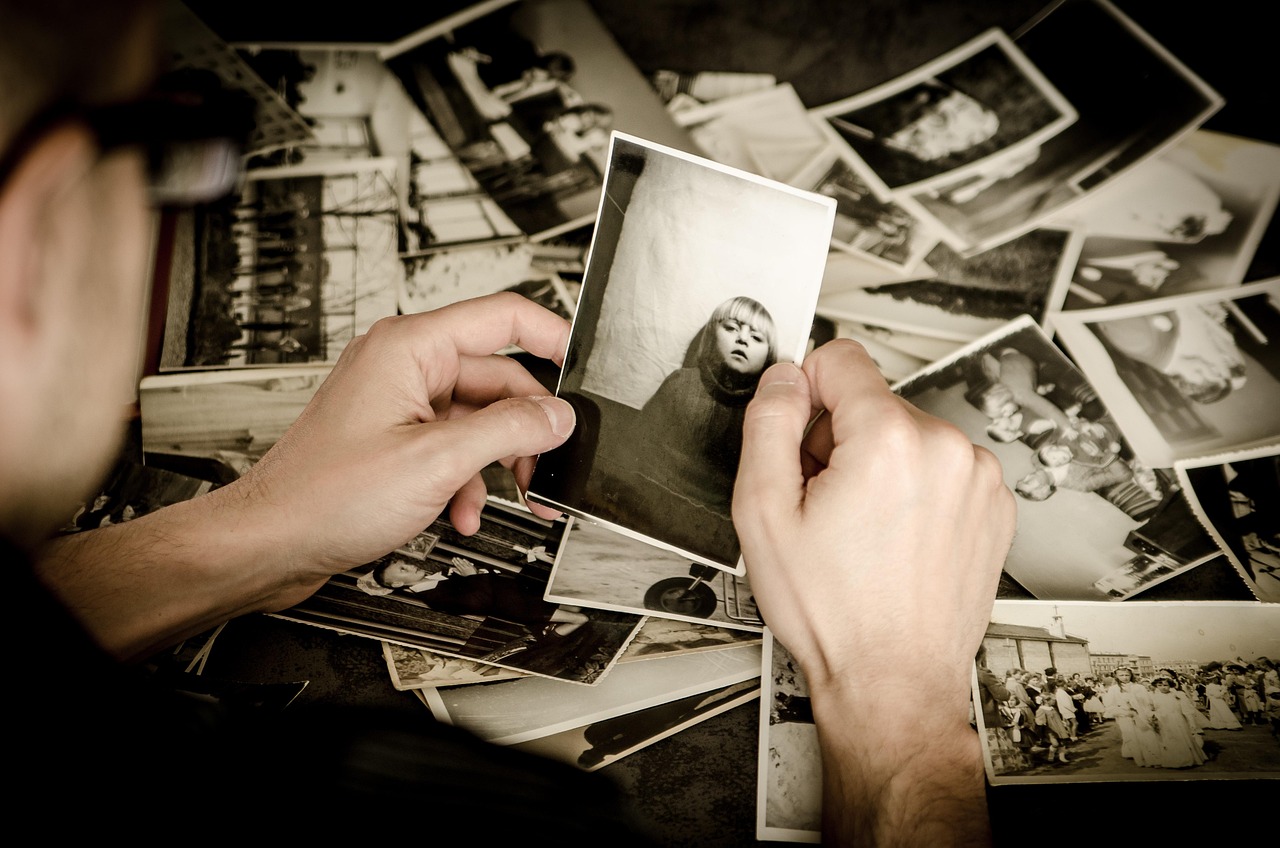
There’s a strange moment that can happen when you’re looking back at old photos, old journals, or old decisions. You see the person you used to be – and you genuinely don’t understand her anymore. Not in a judgmental way, not in a “what was I thinking?” way. Just… you can’t quite remember what it felt like to be her anymore. To want what she wanted. To care about what she cared about.
It’s disorienting, because that person was you. She lived your life. She made choices that shaped where you are now. And yet, she feels like a stranger. If that’s ever happened to you, you’re not alone. And you’re not broken. You’ve just grown past who you used to be.
The Versions of Ourselves We Leave Behind
Most of us don’t think much about how we change over time because we’re too busy living our lives, handling what’s in front of us, adapting to what each season requires. But then something happens – a conversation, a memory, a choice you made years ago – and you suddenly see it from the outside. And you think, “I would never do that now. I would never want that now. What was I thinking?”
The truth? You weren’t thinking anything wrong. You were being who you needed to be then. But you’re not her anymore.
What Changes (And What Stays)
Here’s what I’ve noticed, both in my own life and in the people I work with: the surface things change. What we care about. What we’re willing to tolerate. What lights us up. What drains us. Ten years ago, I cared deeply about things that barely register for me now. I said yes to things I wouldn’t even consider today. I built my life around values I’ve since outgrown. And that’s not because I was wrong then. It’s because I’m different now.
But here’s what stays: the core of who we are. The quiet, steady parts that don’t shift with circumstances or roles. When I started therapy in my twenties, I spent a lot of time peeling away layers to find what was underneath all the roles and expectations. What I found was love. That became my bedrock. And even as everything else shifted over the years, that core stayed steady.
Your core might be different. But it’s there. The challenge is learning to trust it when everything else is changing.
When Your Past Self Feels Unrecognizable
There are a few ways changes show up. You don’t relate to your old priorities anymore. Things that used to feel urgent – climbing the ladder, proving yourself, being seen a certain way – just don’t matter the way they used to. You’re embarrassed by choices you made with full conviction. Not because they were bad choices, but because they were made by someone who saw the world differently than you do now.
You’ve stopped defending decisions you used to explain constantly. You used to justify why you stayed, why you left, why you chose what you chose. Now? You don’t feel the need to explain yourself the same way. And you’re interested in things your younger self would have dismissed. Quiet things. Slower things. Things that don’t come with external validation. None of this means your past self was a failure. It means you’ve evolved.
The Grief That Comes With Growth
One thing people don’t talk about enough: growing past who you were can feel like loss. Even when your old self was exhausting, she was familiar. She had a script. She knew what to do. Letting her go means stepping into a version of yourself that’s still forming. And that’s uncomfortable.
You might feel guilty for not wanting what you used to want. You might feel disloyal for outgrowing relationships or roles that once defined you. You might feel lost because you’re not sure who you are without those old anchors. That grief is real. And it’s okay to feel it.
Honoring Who You Were Without Staying Stuck There
Here’s the balance I try to hold: I can be grateful for my younger self – for her strength, her resilience, her willingness to figure things out – without needing to stay loyal to her choices. She did her best with what she knew. She got me here. And that matters. But I don’t owe her my future.
I get to make different choices now. I get to want different things. I get to care about things she never would have prioritized. That’s not betrayal. That’s growth.
What It Looks Like to Let Yourself Change
This doesn’t mean rejecting your past or pretending you were someone you weren’t. It means giving yourself permission to grow. Stop defending old decisions. You don’t need to justify why you made sense then. Notice what’s shifted. Pay attention to what interests you now versus what interested you five years ago. Let relationships adjust. Some people will grow with you. Some won’t. That’s okay. Your old identity doesn’t fit anymore, so you don’t have to keep wearing it. You’re allowed to be someone new.
When You’re Between Versions of Yourself
The hardest part of this season is that you’re often between identities. You’re no longer who you were, but you’re not fully clear on who you’re becoming. That in-between space is awkward, uncertain, and sometimes lonely. But it’s also where clarity grows.
You don’t need to rush it. You don’t need to have your new identity fully formed before you’re allowed to let go of the old one. You just need to stop pretending you haven’t changed.
Closing Thought
Your younger self got you here, but you don’t owe her your future. You’re allowed to outgrow who you were. You’re allowed to become someone new. You’re allowed to be the person you are meant to be right now.
Ain’t that the truth!